
High energy bills and poor performance can turn your dream kitchen and laundry room into a headache. Often, the culprit isn't a completely broken unit, but household appliances running inefficiently due to a lack of regular care. When appliances struggle to do their jobs, they draw more electricity, waste water, and wear out much faster.
Recognizing the warning signs of inefficiency can save you hundreds of dollars in utility bills and premature replacement costs. Here are 7 signs your home appliances are inefficient, along with practical, step-by-step DIY home appliance maintenance fixes you can do to restore their performance.
1. Your refrigerator runs constantly or feels warm
Your refrigerator is one of the few appliances in your home that runs 24/7. Because of this, it is a major contributor to your monthly energy bill. If you notice that your refrigerator compressor is constantly humming without a break, or if the interior feels slightly warm, your appliance is working way too hard to keep your food cold. This inefficiency often leads to spoiled food and sky-high electric bills.
The most common cause of a constantly running refrigerator is dirty condenser coils. These coils, usually located at the bottom or back of the unit, release heat. When they are coated in dust, pet hair, and debris, they cannot release heat effectively. Another culprit is a worn door gasket (the rubber seal around the door), which lets warm air leak inside.
DIY Fixes:
- Unplug the refrigerator and pull it away from the wall.
- Locate the condenser coils. Use a coil brush or a vacuum cleaner with a narrow attachment to gently remove all dust and debris from the coils.
- While you are at it, check the door gasket. Perform the "dollar bill test" by closing the door on a dollar bill. If the bill pulls out easily, your seal is weak. Clean the gasket with warm water and mild soap, or replace it if it is torn or cracked.
If you need more specific guidance on this issue, check out our guide on why is my refrigerator running constantly.
2. Your clothes dryer takes multiple cycles to dry
If you find yourself frequently running your clothes dryer for two or three cycles just to get a single load of laundry dry, your appliance is highly inefficient. This not only wastes a massive amount of electricity or gas, but the excessive heat also damages your clothing and shortens the lifespan of the dryer's heating element.
When a dryer takes too long to dry, the issue is almost always restricted airflow. When air cannot flow freely through the dryer and out of your home, the dryer cannot effectively remove moisture from the drum. This is usually caused by a clogged lint trap or a blockage in the dryer vent duct that leads outside. Inefficient dryers are also a leading cause of house fires, making this maintenance step absolutely essential for safety.
DIY Fixes:
- Unplug the dryer and, if it is a gas dryer, shut off the gas valve.
- Pull the dryer away from the wall and disconnect the flexible vent hose from the back of the unit.
- Use a dryer vent cleaning brush kit or a vacuum with a long hose attachment to remove built-up lint from inside the dryer's exhaust port, the entire length of the vent hose, and the exterior vent cap outside your home.
- Remember to clean your dryer's lint trap after every single load of laundry, and periodically wash the lint screen with warm water and a soft brush to remove invisible film buildup from dryer sheets.
For a full tutorial on keeping your laundry room efficient, read our article on how to clean a dryer vent and lint trap.
3. Your dishwasher leaves dishes wet or dirty
Opening your dishwasher only to find that your plates are still covered in food particles or that your glasses are soaking wet is a classic sign of an inefficient appliance. When a dishwasher is running inefficiently, it uses the same amount of water and electricity but fails to clean properly, often forcing you to hand-wash your dishes anyway.
This inefficiency is usually caused by two main problems: a clogged dishwasher filter and blocked spray arm jets. Over time, bits of food, grease, and hard water minerals accumulate in the dishwasher filter at the bottom of the tub. Similarly, small holes in the spinning spray arms can become clogged with seeds, food debris, or mineral deposits, preventing water from reaching all your dishes with the necessary pressure. If your model doesn't dry dishes well, it could also indicate a failing heating element or a blocked vent.
DIY Fixes:
- Unplug the dishwasher or turn off the circuit breaker, and shut off the water supply.
- Remove the bottom rack. At the bottom of the tub, you will find the filter assembly. Twist and lift out the mesh filter.
- Wash the filter thoroughly in your sink using warm water, dish soap, and an old toothbrush to remove all grime and grease.
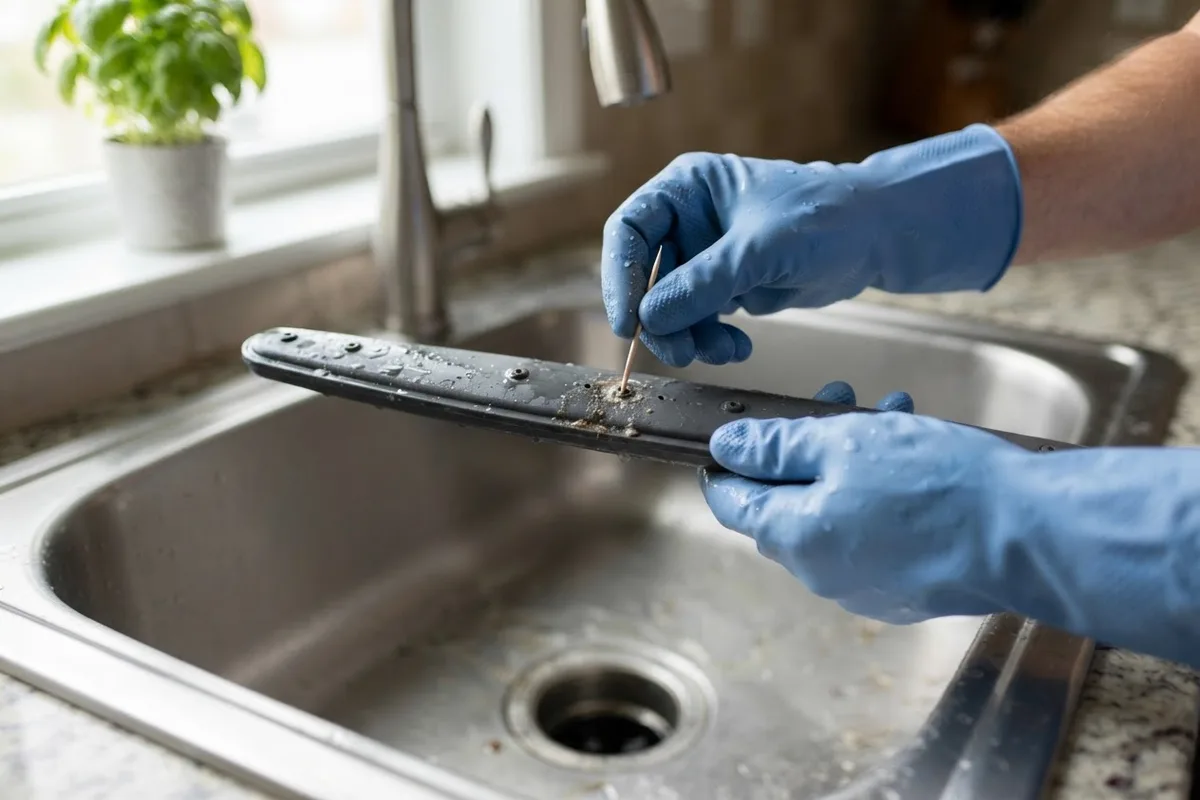
- Next, check the spray arms. Gently remove them (often they unscrew or snap off) and rinse them under the faucet. Use a toothpick or a small piece of wire to poke out any debris clogging the small water jets.
- To remove mineral buildup and improve overall efficiency, place a bowl filled with two cups of white vinegar on the top rack of an empty dishwasher and run a full, hot cycle.
4. Your oven takes forever to preheat or cooks unevenly
If you find that your evening meals are taking much longer to cook, or if your cakes are consistently burnt on one side and raw on the other, your oven is operating inefficiently. An inefficient oven wastes energy as it struggles to reach and maintain the correct temperature, leading to longer preheating times and unevenly cooked food.
This inefficiency is frequently caused by a degraded oven door gasket, which allows valuable heat to escape into your kitchen. When heat escapes, the oven has to work much harder and consume more energy to stay hot. In electric ovens, a failing bake element (the heating coil at the bottom) or broil element (at the top) can cause uneven heat. In gas ovens, a weakening igniter can lead to delayed ignition and slow preheating. Additionally, a miscalibrated thermostat or a dirty temperature sensor can cause your oven to read temperatures incorrectly.
DIY Fixes:
- Unplug the oven and shut off the gas supply if you have a gas range.
- Inspect the rubber or fiberglass gasket seal around the oven door. If you feel heat escaping when the oven is on, or if the gasket looks frayed, torn, or brittle, it needs to be replaced.
- Look at your electric heating elements. When the oven is on, they should glow evenly red. If you see dark spots, blisters, or breakage on the elements, they are failing and need to be replaced.
- Clean your oven's temperature sensor (a small metal probe usually located near the top back corner) gently with a damp cloth to remove grease buildup. Also, ensure you are not blocking airflow inside your oven by using too much aluminum foil on the racks.
5. Your washing machine has foul odors or drains slowly
An inefficient washing machine can leave your clothes smelling less than fresh and may even leave them soaking wet at the end of a cycle. If you notice a strong, musty smell coming from your washer, or if water is slow to drain from the drum, your appliance is not running efficiently. Inefficient washing machines can harbor bacteria, mold, and detergent buildup, which transfers to your laundry and can eventually lead to water leaks and costly water damage.
Front-loading washing machines are especially prone to mold and odors due to water trapping in the rubber door gasket. Additionally, both front-loaders and top-loaders have a drain pump filter (also called a coin trap) that catches loose items, lint, and debris before they reach the drain hose. When this filter becomes clogged, the machine struggles to pump water out effectively, resulting in slow drainage, longer cycle times, and wet clothes. Detergent buildup and mineral deposits from hard water can also clog internal sensors and hoses.
DIY Fixes:
- Unplug the washing machine and shut off the water supply.
- For front-loaders, thoroughly wipe down the rubber door seal with a solution of warm water and vinegar, checking all the folds for trapped mold and debris. Leave the door slightly ajar between loads to allow the drum to dry.
- For all washers, locate the drain pump filter, usually behind a small access door at the bottom front of front-loaders, or sometimes accessible from the back or bottom of top-loaders. Place a towel and a shallow bowl underneath, unscrew the filter cap, and allow the residual water to drain out.
- Clean the filter of all coins, lint, and debris, rinse it with warm water, and screw it back in tightly.
- To remove internal buildup, run a monthly "clean washer" cycle (or a hot water cycle) using two cups of white vinegar or a specialized washing machine cleaner tablet in an empty drum.
If you are experiencing strong odors, check out our guide on why does my washing machine smell for more tips.
6. Your garbage disposal drains slowly or smells bad
Your garbage disposal is a heavily used kitchen appliance that requires regular maintenance to stay efficient. If you notice that water is backing up in your sink when the disposal is off, or if it takes a long time to drain when running, your disposal is operating inefficiently. Bad smells coming from the drain are another clear indicator that grease, food particles, and bacteria are accumulating inside the unit. An inefficient garbage disposal can lead to serious plumbing clogs and can even damage your kitchen's pipes.
Slow draining and odors are usually caused by a buildup of sludge, grease, and food debris on the disposal's impellers (the grinding components) and along the walls of the grinding chamber. Over time, continuous use without proper cleaning allows a layer of grime to form, which reduces the unit's grinding efficiency and slows down the flow of water. Furthermore, dull impellers or a partially clogged drain trap beneath the sink can contribute to poor performance.
DIY Fixes:
- Turn off the power to the garbage disposal at the circuit breaker. Never put your hands or utensils down a garbage disposal.
- To address smells and minor sludge, pour half a cup of baking soda down the disposal, followed by one cup of white vinegar. The mixture will fizz and foam. Let it sit for 15 minutes, then flush the disposal with very hot water for a minute while running the disposal.
- To clean the grinding impellers and knock off debris, pour two cups of ice cubes and a cup of coarse rock salt into the disposal. Turn on cold water and run the disposal until the ice is ground up. The hard ice and salt will scrape the impellers clean without damaging them.
- Finally, grind a few fresh lemon, lime, or orange peels through the disposal with cold water to leave a fresh, natural citrus scent.
7. Your monthly utility bills are suddenly spiking
Sometimes, the most telling sign of an inefficient home appliance isn't something you can see or smell, but something you feel in your wallet. If your monthly electricity or water bills are suddenly spiking without a clear change in your household's routine or seasonal weather, one or more of your appliances is likely operating highly inefficiently.
When appliances like your refrigerator, dryer, dishwasher, or water heater begin to fail or are neglected, they consume significantly more energy and water to perform their basic functions. A clogged dryer vent forces your dryer to run hours longer than necessary. A refrigerator with dirty coils draws continuous power to stay cool. A dishwasher with a clogged filter might run extended cycles trying to get dishes clean. Together, these small inefficiencies add up to a noticeable and costly impact on your utility bills.
DIY Fixes:
- Establish a comprehensive home appliance maintenance checklist. Implement the DIY maintenance steps detailed above for your refrigerator, dryer, dishwasher, oven, washer, and garbage disposal.
- Track your utility bills and compare them to the same months from previous years.
- If your bills remain high after performing regular maintenance, consider checking the energy efficiency ratings of your older appliances.
- Be mindful of how you use your appliances: only run full loads in your dishwasher and washing machine, use cold water for laundry when possible, and ensure your refrigerator and freezer are kept at the ideal temperatures (37°F and 0°F, respectively).
By keeping your appliances well-maintained, you ensure they run as efficiently as possible, saving you money on energy and preventing premature breakdowns.
Quick-Reference Appliance Efficiency Table
| Appliance | Sign of Inefficiency | Common Cause | Quick DIY Maintenance Fix |
|---|---|---|---|
| Refrigerator | Runs constantly, warm inside | Dirty condenser coils, bad door seal | Unplug, vacuum coils, clean/replace door gasket |
| Dryer | Clothes damp after full cycle | Clogged lint trap or exterior dryer vent | Clean lint trap after every load, vacuum out vent duct |
| Dishwasher | Dishes wet, spotty, or dirty | Clogged filter, blocked spray arms | Remove and clean filter, clear spray arm jets with toothpick |
| Oven | Uneven cooking, slow preheating | Degraded door gasket, failing element | Inspect door seal for heat leaks, inspect elements |
| Washing Machine | Musty odor, slow drainage | Clogged drain pump filter, soap scum | Clean drain pump filter, run vinegar/hot cycle |
| Garbage Disposal | Slow draining, bad odor | Sludge buildup, debris on impellers | Flush with baking soda and vinegar, grind ice/citrus |
| Utility Bills | Unexpected monthly spike | Neglected or failing internal parts | Complete comprehensive DIY maintenance checklist |
When to Call a Pro
While the home appliance maintenance steps listed above are excellent for restoring efficiency and are safe for homeowners to perform, some appliance issues require professional expertise. If you have completed these DIY maintenance checks and your appliances are still running inefficiently, making strange noises, leaking, or failing to turn on, it is time to seek professional help.
For your safety, always stop and call a professional for any work involving gas lines, sealed refrigerant systems (like your refrigerator's cooling system), or complex electrical panel work. If your appliance requires parts to be replaced beyond simple filters and gaskets, an experienced technician can accurately diagnose the issue and ensure it is fixed correctly.
If you need assistance with an inefficient appliance, True Appliance Repair can match you with a local appliance pro to get your home running smoothly and efficiently again. Professional appliance repairs generally range from $150 to $500, varying by area and model, which is often much more economical than buying a brand-new appliance. If your appliance is over 10-15 years old and the repair costs exceed half the cost of a new unit, the technician can help you decide if it is time to replace it. Read our guide on repair vs replace appliances for more advice.
FAQ
How often should I perform home appliance maintenance?
You should perform basic home appliance maintenance monthly for things like cleaning your washing machine drum, dishwasher filter, and garbage disposal. For more involved tasks, such as vacuuming your refrigerator's condenser coils and cleaning out your dryer vent, aim for once or twice a year. If you have pets that shed frequently, you may need to vacuum your refrigerator coils more often. Consistency is the key to preventing inefficiency and avoiding unexpected breakdowns.
Can regular appliance maintenance really lower my energy bills?
Yes, absolutely. When your home appliances are clean and well-maintained, they can operate at their peak efficiency. For example, simply vacuuming dirty refrigerator coils can significantly reduce the unit's energy consumption. Similarly, cleaning a clogged dryer vent allows your dryer to dry clothes in a single cycle rather than two or three, cutting its energy use in half. Over time, routine maintenance can save you hundreds of dollars annually on your electricity, gas, and water bills.
What are the best natural cleaning agents for home appliances?
White vinegar and baking soda are two of the best, most effective natural cleaning agents for home appliances. Vinegar is excellent for breaking down hard water mineral deposits, soap scum, and grease, as well as killing mold and mildew. Baking soda is a fantastic, gentle abrasive that helps scrub away grime and neutralize unpleasant odors. Lemon juice and citrus peels are also great for freshening up appliances like your garbage disposal. Avoid using harsh chemical cleaners on your appliances, as they can damage internal components and leave behind toxic residues.
Should I repair or replace an inefficient appliance?
Whether to repair or replace an inefficient appliance depends on its age, the cost of the repair, and how much you will save in energy efficiency. As a general rule of thumb, if an appliance is near the end of its expected lifespan (usually 10-13 years for most major appliances) and the cost of the repair is more than half the cost of a new unit, it is usually better to replace it. However, if the appliance is relatively new or if the issue is a simple fix like a clogged vent or a worn door seal, repairing it is almost always the more economical choice. Modern appliances are generally more energy-efficient, so upgrading an extremely old unit can also help lower your long-term utility bills.