
Major household appliances rarely break down without sending early warning signals first. Recognizing subtle changes in sound, temperature, and performance allows you to address minor maintenance issues before they turn into expensive emergency calls. This guide covers seven critical household appliance warning signs every homeowner should monitor, along with safe DIY troubleshooting steps.
1. Unexpected Buzzing or Loud Humming Sounds
While all electrical appliances produce low operational sounds, a sudden change in pitch, volume, or rhythm indicates internal mechanical stress. Loud buzzing or rhythmic hums usually stem from vibrating components, failing electric motor bearings, or objects caught in circulation impellers.
- Unplug the unit or switch off the circuit breaker at your main electrical panel before inspecting any internal area.
- Inspect exterior access points for loose mounting screws, uneven leveling feet, or items resting against the appliance cabinet that might vibrate during operation.
- Clear obstruction points in visible fans, drain pumps, or disposal chambers using a flashlight and non-metallic tool.
If the loud humming continues after confirming the unit is level and clear of debris, the motor windings or internal bearings may be wearing out. Continuous operation under heavy friction causes excessive amp draw, which can damage internal control boards if left unaddressed.
2. Unexplained Spikes in Monthly Utility Bills
An unexpected rise in your electric or water bill often points to a major appliance working twice as hard to maintain standard output. When internal components lose efficiency, operating cycles run significantly longer, consuming excess energy without improving performance. Reviewing routine monthly appliance maintenance tasks can help identify efficiency drops early.
- Refrigeration systems: Dirty condenser coils or hardened door gaskets force compressors to run continuously.
- Washing machines and dishwashers: Internal scale buildup on heating elements increases the energy required to reach target water temperatures.
- Dryers: Lint build-up inside exhaust ducting restricts airflow, forcing heating components to operate longer to dry standard loads.
To troubleshoot, start by cleaning accessible intake grills, removing dust from air channels, and inspecting rubber door seals for cracks or gaps. Replacing worn seals restores airtight insulation and immediate operating efficiency.
3. Burning Smells or Hot Plastic Odors
A burning odor originating from any appliance is an urgent warning sign that demands immediate attention. Scorching smells often indicate slipping rubber drive belts, overheating electric motors, or electrical wiring friction.
- Shut off power immediately. Disconnect the power cord from the wall outlet or trip the corresponding circuit breaker.
- Shut off gas line valves if the warning sign originates from a gas-powered unit.
- Allow the appliance to cool completely before touching cabinet panels or internal components.
- Inspect drive belts on motorized units for signs of fraying, melting, or improper tension.
Never restart an appliance that emits electrical smoke or persistent plastic burning odors without having a trained technician evaluate the internal wiring harness. Friction heat and electrical arcing pose serious safety hazards.
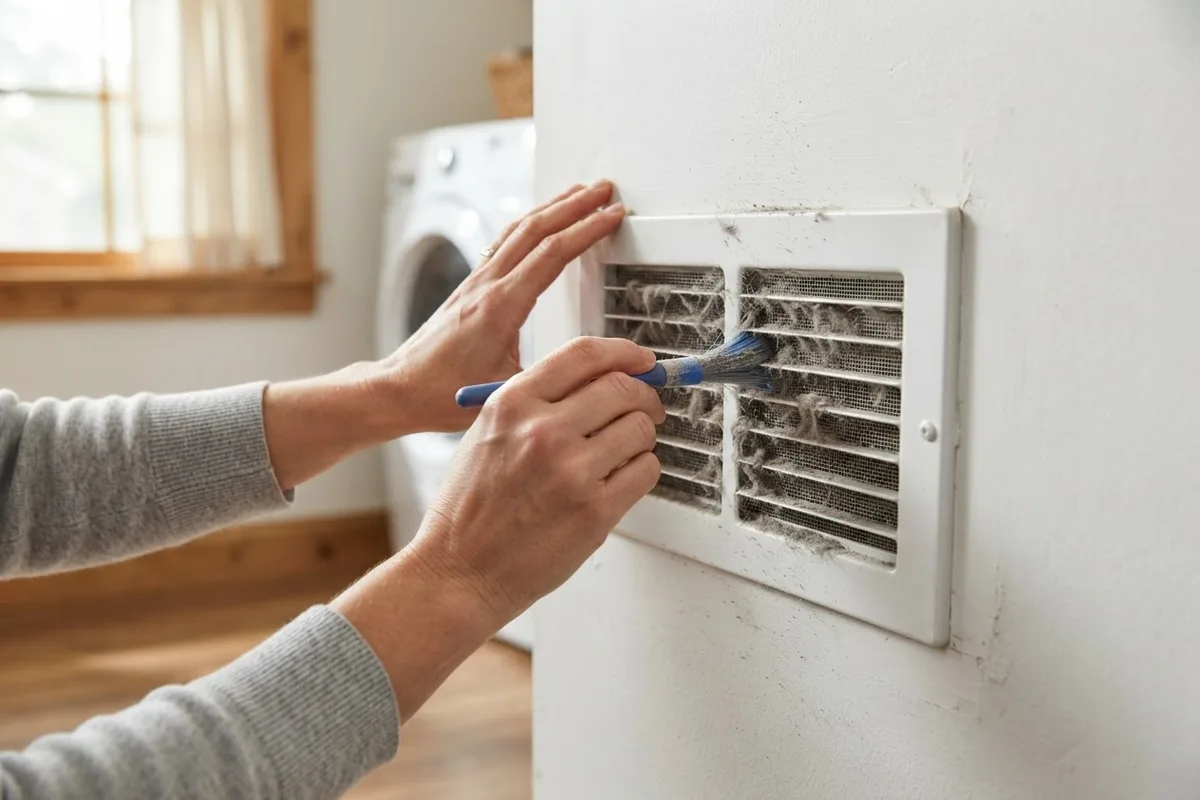
4. Sluggish Cycle Times and Poor Performance
When standard operating cycles take noticeably longer than normal, internal sensors or heating elements are likely deteriorating. A dishwasher that leaves dishes damp, an oven that takes thirty minutes to preheat, or a dryer requiring multiple runs indicates compromised thermistors or heating circuits.
- Check input supplies: Verify water supply valves are fully open and water pressure meets standard home requirements.
- Clear filter assemblies: Remove collected sediment, food debris, or lint from primary filter traps, spray arm nozzles, or drain screens.
- Clean disposal units: If sink drainage is sluggish, complete a thorough garbage disposal cleaning to restore proper line clearance.
Slow operating cycles subject internal mechanical parts to prolonged heat and mechanical stress, accelerating wear across all internal systems.
5. Subtle Water Puddles or Internal Condensation
Small drops of water near baseboards or light condensation along internal cabinet walls are easy to overlook, but minor moisture buildup quickly leads to subfloor damage, mold growth, and rust. Leaks typically stem from degrading water inlet valves, hardened door gaskets, or restricted drain lines.
- Disconnect electric power and shut off dedicated water supply valves before searching for water source leaks.
- Examine flexible water fill hoses for hairline cracks, corrosion at connection fittings, or loose hose clamps.
- Inspect drain pans and defrost channels for algae blockages, standing water, or ice blockages.
- Check door perimeter seals for trapped debris, tearing, or loss of elasticity.
Catching pinhole leaks early prevents structural subfloor repairs, which often cost between $500 and $2,500 depending on wood damage and material replacement costs.
6. Excessive Exterior Heat During Normal Operation
While appliances generate operational heat, cabinet side walls, exterior metal framing, or top panels should never become uncomfortably hot to the touch. Overheating points to severe airflow restrictions, failing cooling fans, or faulty internal thermostats.
- Provide proper clearance: Ensure free space around exterior side panels and back walls according to manufacturer guidelines.
- Vacuum exhaust pathways: Remove dust blanket accumulation from rear compressor housing vents, lower kickplates, and exterior exhaust hoods.
- Verify fan rotation: Confirm that internal circulating fans rotate freely without mechanical resistance or blade obstruction.
When heat cannot escape efficiently, high internal temperatures degrade electronic control boards and melt plastic wire insulation, causing premature system failures.
7. Frequent Circuit Breaker Tripping
If running a major household appliance repeatedly trips your home circuit breaker, the appliance is drawing more electrical current than its circuit is rated to handle. This issue typically stems from a short circuit in a heating element, a seized motor pump, or degraded internal wiring.
- Unplug the appliance from the wall outlet immediately.
- Reset the circuit breaker at your main panel once.
- Do not force a breaker to stay on if it trips repeatedly upon plugging the unit back in.
- Avoid using extension cords, which cause voltage drops, heat buildup, and electrical fire risks.
Continued breaker trips signal an active electrical short. Forcing the appliance to operate under these conditions risks damaging your home's breaker box and internal appliance wiring.
Troubleshooting Checklist
| Warning Sign | Common Cause | Recommended Initial Action |
|---|---|---|
| Loud Buzzing/Humming | Obstruction or bearing wear | Unplug unit; clear fan blades and pumps |
| High Energy Bills | Dirty coils, failed gaskets | Vacuum intake vents; inspect door seals |
| Burning Plastic Smell | Belt friction, wiring overload | Shut off power immediately; inspect belts |
| Extended Cycle Times | Clogged filters, weak element | Clean filter traps and verify supply lines |
| Water Pooling | Cracked hose, clogged drain line | Shut off water; clear drain channels |
| Hot Cabinet Exterior | Blocked airflow, failed fan | Vacuum rear coils; maintain wall clearance |
| Breaker Tripping | Shorted element, motor draw | Disconnect power; schedule electrical check |
When to Call a Pro
While clearing visible debris, cleaning intake filters, and replacing accessible door seals are straightforward DIY tasks, complex mechanical or electrical issues require specialized equipment. Always stop and contact a professional if you encounter:
- Persistent electrical burning odors or scorched wiring.
- Internal gas line odors or suspected gas supply leaks.
- Sealed refrigeration system leaks or compressor electrical faults.
- Repeated circuit breaker trips caused by internal short circuits.
- Complex control board replacements or sealed drum bearing repairs.
Professional diagnostic and repair services typically range from $120 to $400 depending on regional labor rates, parts required, and appliance accessibility. If troubleshooting reveals major system damage, True Appliance Repair can match you with a local appliance pro to diagnose and resolve the issue safely.
FAQ
How do I know if an appliance is worth repairing or replacing?
Consider the age of the unit, total repair costs, and energy efficiency. If a repair costs more than 50% of a new replacement appliance and the unit has reached 70% or more of its expected lifespan, replacement is generally the most cost-effective choice.
Can dirty filters cause an appliance to shut down unexpectedly?
Yes. Clogged air or water filters restrict essential flow, causing internal temperatures or motor strain to rise. Many modern appliances feature safety thermal cut-off switches that automatically shut down power to prevent motor burnout or thermal hazards.
Why does my appliance smell like burning rubber during operation?
Burning rubber smells are usually caused by a slipping or jammed drive belt friction against a stalled motor pulley. Shut off power immediately, unplug the unit, and inspect the drive belt for melting, cracking, or improper alignment before running another cycle.
Is it safe to reset a circuit breaker that trips when an appliance turns on?
You can safely reset a tripped breaker once to rule out a temporary power surge. However, if the breaker trips again as soon as the appliance starts, unplug the unit immediately. Persistent tripping indicates an internal electrical short that requires technical evaluation.