
Hearing your dishwasher start its cycle only to realize no water is entering the tub can bring kitchen cleanup to a sudden halt. When a dishwasher fails to fill, the problem usually stems from a restricted water supply, a stuck mechanical safety float, or a clogged inlet valve. Before assuming you need an expensive unit replacement, follow this step-by-step guide to diagnose and fix the five most common causes of a dishwasher not filling with water.
Check the Under-Sink Water Supply Valve
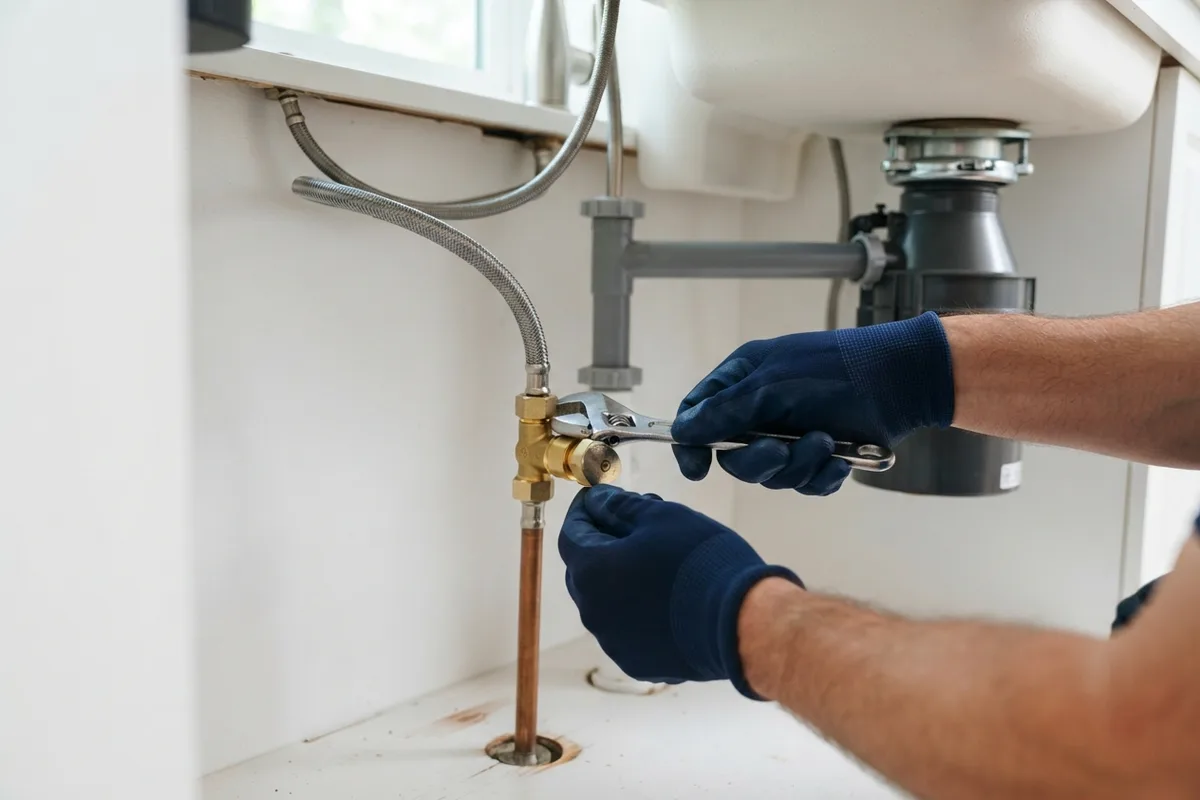
The most straightforward reason a dishwasher lacks water is a restricted water supply line. Dishwashers connect directly to the home's hot water pipe via a flexible supply line under the kitchen sink, controlled by a dedicated shutoff valve.
- Open the cabinet beneath your kitchen sink and locate the hot water valve connected to the braided steel or copper line leading to the dishwasher.
- Ensure the valve handle is turned fully counterclockwise to the open position. Cabinets store cleaning products that frequently bump shutoff valves partially closed.
- Inspect the flexible supply line for sharp bends, twists, or kinks that restrict water flow.
- If you recently performed plumbing maintenance or installed a new faucet, verify that the main supply line wasn't left off.
If the valve is fully open and the supply line is unkinked, move on to internal components within the dishwasher tub.
Inspect and Unstick the Overfill Float Switch
The float switch is a critical safety feature located inside the bottom basin of your dishwasher. As water fills the tub, a plastic dome or cylinder floats upward. If the water reaches maximum capacity, the float trips an electrical switch underneath to cut off incoming water and prevent kitchen flooding.
If dried food residue, grease, or a misplaced utensil pins the float in its raised position, the dishwasher assumes the tub is already full and refuses to open the water valve.
- Open the dishwasher door and remove the lower dish rack.
- Locate the float assembly, typically a small plastic dome in one of the front corners of the tub bottom.
- Lift the plastic float cover manually. It should slide up and down freely, producing a audible click when moved.
- If it feels gummy or stuck, wipe away trapped food debris and mineral build-up using warm water and dish soap.
- Re-test the float movement to ensure it drops completely to the floor of the tub.
If you are dealing with other moisture issues in your kitchen, you can also check our guide on why your dishwasher is leaking to catch tub overflow problems early.
Test and Clean the Water Inlet Valve Filter
The water inlet valve controls the flow of hot water from your home plumbing into the appliance. Over time, sediment, rust particles, or hard water mineral scale can clog the fine mesh screen located inside the intake port of the valve.
Safety Warning: Before proceeding with hands-on component checks, always unplug the dishwasher or switch off its dedicated breaker at the main electrical panel. Turn off the hot water shutoff valve under the sink.
- Remove the bottom toe-kick panel at the base of the dishwasher by unscrewing the mounting fasteners.
- Locate the water inlet valve, which connects directly to the braided water supply line.
- Disconnect the water line from the valve (keep a towel handy to catch residual water).
- Inspect the small wire mesh filter screen inside the valve entrance. If it is coated in sediment or mineral deposits, carefully clean it using a soft toothbrush and vinegar.
- Never puncture or remove the mesh screen, as debris entering the valve mechanism will cause it to stick open and flood your home.
Ensure the Door Latch Is Fully Engaged
For safety reasons, a dishwasher will not initiate a water fill cycle unless the control system receives a signal that the door is firmly closed and latched. If the latch mechanism or internal door switches fail, the cycle may stall immediately after pressing start.
- Inspect the latch catch at the top rim of the dishwasher tub for bent metal, misalignment, or trapped food particle obstructions.
- Close the door firmly and check that it rests flush against the cabinet frame without spring-back.
- Listen closely when closing the door. You should hear a solid latch engagement.
- If the door closes properly but the machine stays silent or flashes a door alert light, the internal microswitches inside the door assembly may require replacement.
align the strike plate if the door appears slightly crooked when pushing into the cabinet frame.
Check for Air Gap and Drain Hose Issues
Many modern dishwasher setups route the drain hose through a countertop air gap or directly into a garbage disposal. While this system primarily manages wastewater output, an improper drain line configuration or clog can trick the dishwasher's electronics into aborting the fill cycle.
- Check if water is siphoning out of the unit as fast as it enters due to an improperly elevated drain loop.
- Ensure the drain hose forms a high loop (fastened near the top of the under-sink cabinet) before connecting to the disposal.
- If you recently installed a new garbage disposal, ensure the knockout plug inside the disposal inlet nipple was fully knocked out.
- For broader kitchen plumbing issues, review our detailed garbage disposal troubleshooting guide to verify your sink drainage system operates properly.
| Issue Observed | Likely Cause | Recommended Action |
|---|---|---|
| Dishwasher stays silent after pressing start | Door latch microswitch or open shutoff valve | Verify door seal/latch and check under-sink water valve |
| Loud humming sound, but no water enters | Clogged inlet valve screen or failed valve solenoid | Clean mesh screen or call a technician to replace valve |
| Machine starts, clicks, and drains immediately | Stuck overfill float switch | Clean debris underneath float dome in tub basin |
| Low water level; dishes remain dirty | Kinked supply line or low household water pressure | Straighten supply line under sink; check main water pressure |
When to Call a Pro
While cleaning a float switch or opening an under-sink valve takes only a few minutes, some fill problems involve complex electrical testing or internal plumbing replacements. If you have verified that the water valve is open, the float switch moves freely, and the inlet screen is clean, the issue likely points to a failed water inlet solenoid, a faulty electronic control board, or compromised internal wiring.
Always stop and call a professional if you suspect electrical faults, need multimeter testing on live connections, or notice water pooling near internal electrical harnesses. If you prefer expert assistance, True Appliance Repair can match you with a local appliance pro to diagnose and repair your dishwasher quickly.
Typical professional dishwasher repair costs across the US range between $150 and $300 for valve or switch replacements, though exact pricing varies by area and machine model. If your unit requires deeper diagnosis across multiple systems, explore full-service options through our nationwide appliance repair team.
FAQ
Why does my dishwasher make a humming sound but no water enters?
A distinct humming noise during the fill portion of the cycle usually means the water inlet valve is receiving electrical power, but water cannot physically pass through it. This happens when the under-sink supply valve is closed, the line is kinked, or sediment completely blocks the inlet valve's internal mesh filter screen.
Can a clogged water inlet valve be cleaned, or must it be replaced?
You can clean loose sediment and mineral crust off the outer wire mesh filter screen located at the valve intake. However, if debris has passed through the screen into the valve body, or if the internal solenoid coil has failed electrically, the entire water inlet valve must be replaced for safety reasons.
How do I manually reset my dishwasher water level?
You can perform a hard reset on most dishwashers by disconnecting power at the breaker or outlet for 5 to 10 minutes. After restoring power, press and hold the Start/Reset button for 3 to 5 seconds to clear the current cycle memory and clear any lingering error codes related to fill timeouts.
Will a failing garbage disposal prevent a dishwasher from filling?
A garbage disposal does not supply water to the dishwasher, but an obstructed disposal inlet or a missing knockout plug on a newly installed disposal can cause drainage backup. If the control board senses residual water trapped in the tub from a prior cycle, it will abort the fill sequence to prevent overflow.