
A failing chest, upright, or built-in freezer rarely quits without warning, yet ignoring early symptoms can ruin hundreds of dollars in frozen groceries overnight. Recognizing the key signs your freezer is dying helps you separate minor airflow or seal hiccups from major mechanical failure. Use the seven checks below to troubleshoot safely, estimate typical repair costs, and decide whether fixing or replacing your unit makes the most sense.
1. Heavy Frost Buildup Covers Walls and Food
A thin dusting of moisture crystals can appear when humid kitchen air enters an open door, but thick sheets of hard frost across interior walls, shelves, and vents point to an air leak or a failed automatic defrost component. Manual-defrost chest freezers naturally accumulate ice over time, yet frost thicker than a quarter inch appearing within a few weeks signals trouble.
- Unplug the freezer from the wall outlet—and shut off the water supply valve if an ice maker is connected—before inspecting internal parts.
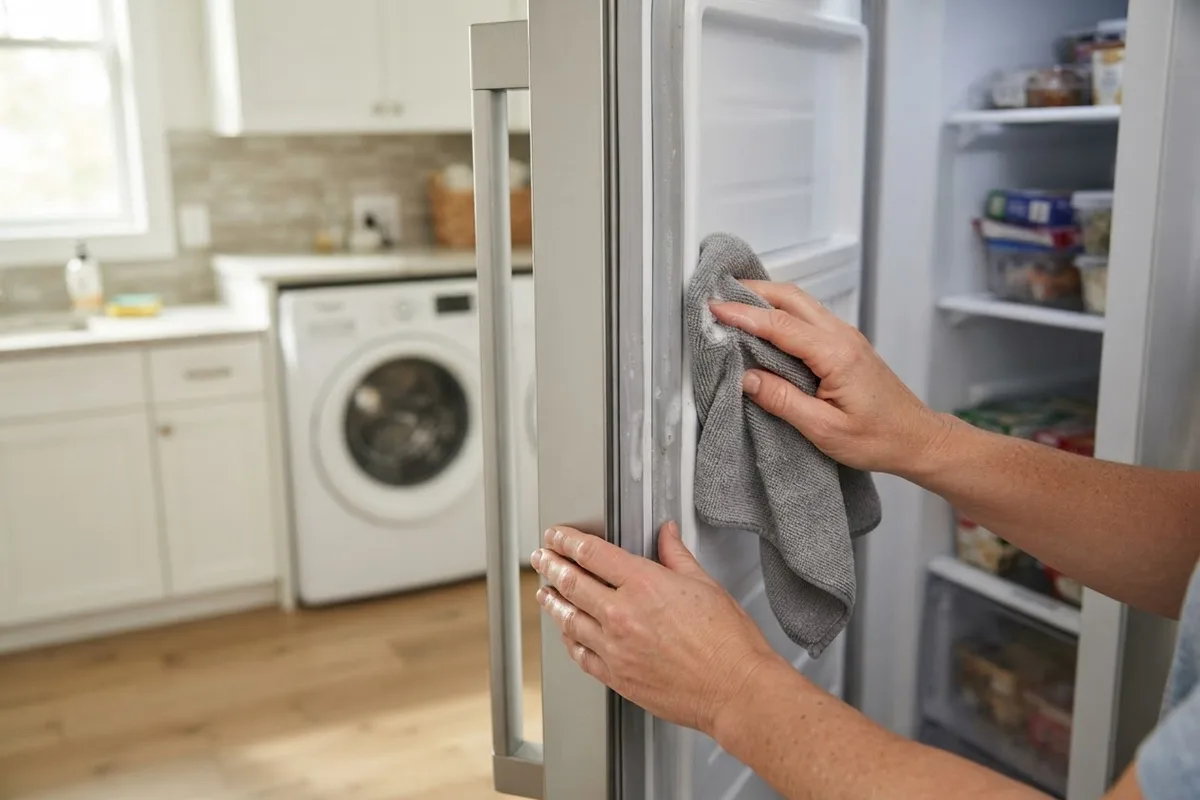
- Wipe the rubber door gasket with warm, soapy water and dry it thoroughly so sticky residue cannot pull the seal open.
- Close the door on a crisp dollar bill at several spots around the perimeter; if it slides out with zero tug, the gasket has lost tension and needs replacement.
- Make sure stacked food bags are not holding the door slightly ajar or blocking rear air vents.
2. Freezer Temperature Stays Above 0°F
Safe long-term food storage requires a steady internal temperature of 0°F (-18°C). When the cabinet creeps above 10°F, ice cream turns scoopable-soft, frozen fruit clumps together, and meat develops grayish freezer burn. Do not rely solely on a built-in dial setting, as aging sensors and thermostats drift out of accuracy before cooling stops completely.
- Place a standalone liquid or dial appliance thermometer between frozen packages near the center of the freezer for eight hours without opening the door.
- Confirm the temperature control dial was not bumped to a warmer setting while loading groceries.
- Rearrange tightly packed boxes so cold air can circulate freely around every shelf and basket.
- Unplug the unit, pull it carefully away from the wall, and vacuum dust off the condenser coils, since dirty coils trap heat and mirror many causes of a refrigerator not cooling properly.
3. The Motor Runs Nonstop Without Cycling Off
A healthy freezer compressor cycles on to pull heat out of the cabinet and shuts off once the target temperature is met. If you hear the motor humming continuously through the day and night, the appliance is straining to hold cold air. Overworked compressors overheat, wear out internal valves, and shorten the remaining lifespan of the entire cooling system.
- Check the room temperature around the appliance; garages or utility rooms hotter than 90°F or colder than 40°F can confuse standard thermostats.
- Leave at least two to three inches of open breathing room along the sides, back, and top of the cabinet so heat can dissipate.
- Unplug the freezer and clean lint, pet hair, and grease off the rear or bottom grille.
- Listen after 24 hours; if the motor still never rests despite clean coils and a 0°F interior, the sealed refrigerant system or thermostat may be failing.
4. Loud Clicking, Buzzing, or Knocking Sounds
Every freezer makes gentle humming or occasional thermal popping sounds as plastic liners expand and contract. Sudden metallic knocking, repetitive clicking every few minutes, or high-pitched scraping indicates mechanical wear. Catching an unusual noise early can save the compressor from burning out if a smaller fan or relay part is to blame.
- Listen closely from a safe distance to pinpoint whether the sound comes from inside the cold compartment or behind the lower rear cabinet.
- A scraping or chirping sound inside an upright freezer that stops when you press the door switch usually points to ice touching the evaporator fan blade.
- Repeated clicking followed by a two-second buzz at the back bottom often signals a failing start relay trying and failing to engage the compressor.
- Unplug the freezer immediately if you hear loud clunking or smell hot electrical insulation, as worn motors are one of the clearest signs your home appliances are inefficient and nearing failure.
5. Puddles of Water Pool Inside or Underneath
Frost-free upright freezers melt coil ice automatically several times a day, channeling that meltwater down a small drain tube into an evaporation pan beneath the cabinet. When water pools on the kitchen floor or freezes into a solid slab across the bottom shelf, either the drainage path is blocked or cooling fluctuations are causing partial thaws.
- Unplug the freezer and shut off any attached ice maker water line before stepping near standing water, then towel the floor dry to prevent slips.
- Check the bottom interior floor for a sheet of clear ice, which confirms a clogged defrost drain trough backing water into the compartment.
- Inspect the manual defrost plug on the front bottom edge of a chest freezer to verify the rubber cap is seated tightly.
- Check underneath the unit for a cracked or shifted evaporation tray—following regular refrigerator drain pan cleaning steps helps prevent clogs and overflows.
6. The Exterior Cabinet Feels Unusually Hot
Many modern upright and chest freezers route condenser tubing right behind the outer metal skin to prevent moisture condensation around the door frame. Mild warmth along the sides during a cooling cycle is normal. However, exterior panels that feel uncomfortably hot to the touch indicate excessive heat buildup from poor ventilation, a stalled condenser fan, or anailing compressor.
- Test the side walls with the back of your hand twenty minutes after a cooling cycle finishes; the metal should cool down between cycles.
- Unplug the appliance and slide it forward carefully on floor glides to inspect the lower rear machine compartment.
- Check whether dust blankets are smothering the condenser fan blades on models equipped with a rear cooling fan.
- Never place heavy cardboard boxes, tablecloths, or small appliances on top of a chest or upright freezer where heat escapes.
7. Rising Electric Bills and Frequent Spoilage
Most standalone chest and upright freezers last 12 to 16 years with basic upkeep, while built-in fridge-freezer units average 10 to 14 years. As foam cabinet insulation degrades and compressor compression weakens with age, the unit draws far more electricity while allowing subtle temperature swings that ruin food quality weeks before total breakdown.
- Locate the metal or paper model plate inside the cabinet wall to check the manufacture date.
- Inspect frozen vegetables and meats for large, jagged ice crystals inside sealed bags—a telltale sign that food has partially thawed and refrozen.
- Compare your recent monthly kilowatt usage against the same season last year if no other household habits changed.
- Weigh the age of the unit against potential repair bills before investing heavily in an older cabinet.
When to Call a Pro
Simple maintenance like cleaning dusty coils, leveling cabinet feet, or swapping a worn push-in door gasket is manageable for most homeowners once the power cord is unplugged. Stop immediately and call an appliance technician if troubleshooting points to a sealed refrigerant leak, a locked compressor, scorched wiring, or a tripped household circuit breaker. Sealed-system and high-voltage repairs require specialized recovery equipment and testing tools.
Use the 50% rule when deciding between repair and replacement: if your freezer is past the halfway mark of its typical 12-to-15-year lifespan and a repair quote approaches half the price of a comparable new unit, replacing it usually saves money long term. All prices below are broad US estimates that vary by area, freezer style, and model.
| Common Freezer Issue | Typical US Repair Cost (Varies by Area/Model) | DIY or Pro? | Repair vs. Replace Verdict |
|---|---|---|---|
| Worn door gasket | $80 – $220 | DIY or Pro | Worth fixing at almost any age |
| Start relay or overload switch | $120 – $260 | Pro recommended | Repair if compressor tests healthy |
| Evaporator or condenser fan motor | $180 – $350 | Pro | Repair if unit is under 10–12 years old |
| Defrost heater or thermostat | $170 – $340 | Pro | Repair on mid-age frost-free units |
| Electronic control board | $250 – $500 | Pro | Replace freezer if over 10 years old |
| Compressor or sealed refrigerant leak | $550 – $1,100+ | Pro only | Replace standalone freezers in most cases |
If your freezer stays warm after basic airflow and seal checks, True Appliance Repair can match you with an independent local refrigerator and freezer repair pro to inspect the unit and give you a clear repair estimate.
FAQ
How long does food stay frozen if my freezer stops working?
A fully stocked, unopened standalone freezer typically keeps food safely frozen for about 48 hours, while a half-full freezer holds safe temperatures for roughly 24 hours. Resist opening the door to check on items, and group packages tightly together so they insulate one another while you arrange repairs or cooler storage.
Is it cheaper to repair a chest freezer or buy a new one?
Minor repairs such as replacing a thermostat, lid seal, or start relay usually cost far less than buying a new chest freezer. However, because basic standalone chest freezers are relatively affordable compared to full refrigerators, major compressor or sealed-system work almost always costs more than a brand-new replacement.
Why is frost forming only near the freezer door?
Frost concentrated right along the front edge, top shelf, or lid rim almost always comes from warm room air sneaking past a dirty, warped, or torn rubber gasket. Check cabinet leveling as well, since a freezer tilted slightly forward can prevent the magnetic door seal from pulling shut tightly.
Can a dirty garage cause a freezer to fail early?
Yes. Sawdust, grass clippings, pollen, and extreme summer garage heat coat condenser coils quickly and force the compressor to run at high pressure. Unplugging a garage freezer twice a year to vacuum the coils and vents dramatically reduces strain on the motor.